

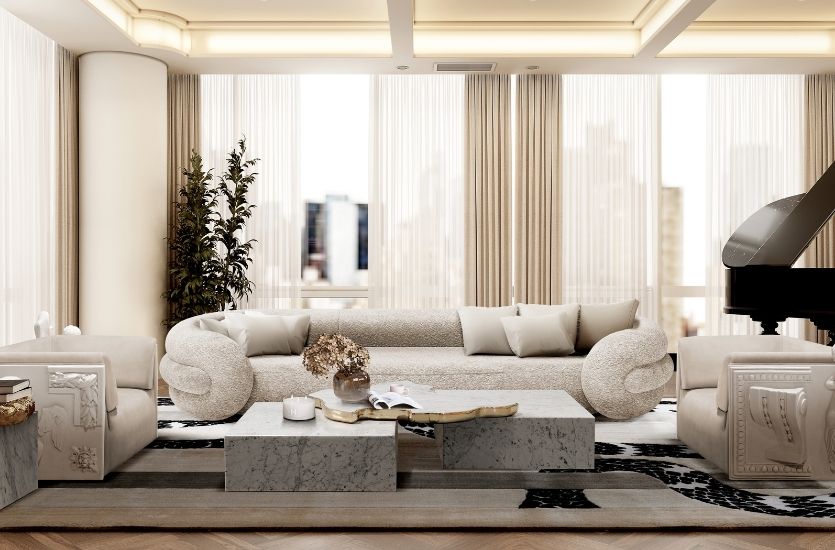
Introduction: Where Style Meets Function
Furniture is not merely about utility; it is about creating identity, atmosphere, and emotion within a space. A single armchair can exude character, a dining table can foster connection, and a thoughtfully chosen sofa can elevate an entire room. In today’s world, where homes are increasingly viewed as sanctuaries, furniture plays a pivotal role in defining how we inhabit our personal spaces. It balances the aesthetic and the practical—shaping not just interiors, but the experiences within them.
From timeless craftsmanship to cutting-edge innovation, furniture remains the foundational layer upon which the art of living is built.
The Evolution of Furniture: A Journey Through Time
Throughout history, furniture has adapted to reflect changing cultural values, technological advancements, and artistic movements. What once began as rudimentary items built for survival has since become an intricate interplay of design, craftsmanship, and lifestyle.
Key milestones in furniture history:
-
Ancient Civilizations: Egyptians, Greeks, and Romans crafted furniture using wood, ivory, and metals—often reserved for the elite.
-
Medieval Period: Heavy, carved wooden pieces dominated, symbolizing status and permanence.
-
Renaissance to Rococo: Furniture evolved into elaborate expressions of artistic detail and aristocratic refinement.
-
Industrial Revolution: Mass production made furniture more accessible, giving rise to middle-class design preferences.
-
Modern and Contemporary: Clean lines, modular forms, and ergonomic principles now define much of today’s furniture landscape.
Furniture history is not just a story of objects—it’s a reflection of humanity’s progress, needs, and creativity.
Functionality First: Furniture That Serves with Grace
At its core, furniture must serve a function. Whether providing comfort, storage, or structure to a space, practicality is non-negotiable. However, today’s designs prove that function can coexist beautifully with form.
Hallmarks of functional design:
-
Ergonomics: Chairs, desks, and beds are increasingly designed to support posture, mobility, and health.
-
Multifunctionality: From extendable dining tables to storage ottomans and sofa beds, today’s homes benefit from versatile furniture pieces.
-
Space-saving solutions: Especially crucial in urban living, designs like wall-mounted desks and nesting tables maximize efficiency.
Furniture should anticipate the needs of its user, offering ease without sacrificing elegance.
Aesthetic Harmony: Creating Visual Cohesion
While function anchors furniture, style gives it soul. The aesthetic aspect of furniture contributes to the overall language of a room—whether minimalist, rustic, industrial, or eclectic.
Tips for selecting aesthetically balanced furniture:
-
Maintain proportion: Match furniture scale with room dimensions to create harmony.
-
Coordinate materials and colors: Wood grains, metal finishes, textiles, and tones should complement rather than compete.
-
Balance visual weight: Pair heavy or bulky furniture with lighter, open-frame pieces to avoid visual clutter.
-
Mix styles with intention: Combining vintage and modern pieces can add richness—when united by a common thread such as color or texture.
Style is personal, but cohesion is key. Every piece should feel like part of a larger story.
Materials Matter: The Essence of Quality
The materials used in furniture contribute not only to its durability but also to its aesthetic and tactile qualities. Choosing the right material can define how a piece feels, ages, and integrates with the rest of the home.
Popular materials and their characteristics:
-
Wood: Warm, natural, and timeless. Oak, walnut, and teak offer durability and distinctive grains.
-
Metal: Sleek and industrial, ideal for modern or minimalist styles.
-
Glass: Adds lightness and elegance; commonly used in tabletops and accent pieces.
-
Fabric and upholstery: Linen, velvet, leather, and boucle influence the mood and comfort of a space.
When selecting materials, consider not just the look, but also longevity, care requirements, and environmental impact.
Sustainability in Furniture: Design with Conscience
The furniture industry is undergoing a much-needed shift toward sustainable practices. Eco-conscious consumers are now prioritizing pieces that are ethically made, durable, and environmentally friendly.
Sustainable furniture choices:
-
Use of reclaimed or FSC-certified wood
-
Low-VOC finishes and adhesives
-
Upcycled and vintage furniture to reduce waste
-
Locally sourced and handmade pieces
-
Modular designs that adapt and extend product life
Sustainable furniture tells a story of care—for the planet, for craftsmanship, and for future generations.
Signature Pieces: Furniture with Impact
Every home benefits from one or two signature furniture pieces that anchor the design and add a sense of identity. These are the items that draw the eye and speak to the homeowner’s personal style.
Examples of impactful signature furniture:
-
A sculptural armchair in a bold fabric
-
A dramatic dining table made of live-edge wood
-
A designer lounge chair such as the Eames or Wassily
-
A vintage writing desk with a storied patina
-
An oversized velvet sectional that invites conversation
Such pieces are not just functional—they become focal points and conversation starters.
Emotional Value: When Furniture Becomes Meaningful
The best furniture holds more than plates or books; it holds memories. The rocking chair in the nursery, the table where countless dinners were shared, the cabinet inherited from a grandparent—these are the pieces that connect us to our past and to those we love.
This emotional aspect of furniture is often overlooked in design discussions, yet it is precisely what makes a house a home. It’s the layering of stories, textures, and personal significance that gives life to a space.
Conclusion: Furnishing with Intention and Elegance
Furniture is an investment—not just in material, but in the quality of life. It supports our physical bodies, anchors our aesthetic vision, and enriches our emotional environment. In every room, furniture serves as both a backdrop and a protagonist—setting the stage and playing a central role in how we live.
Whether selecting a sleek modern dining set or restoring an heirloom chest of drawers, the key lies in intentionality. Choose pieces that reflect who you are, adapt to how you live, and contribute to the beauty and function of your surroundings.
In the end, the most successful interiors are not the ones that follow every trend, but the ones filled with furniture that tells a story—honest, expressive, and enduring.