

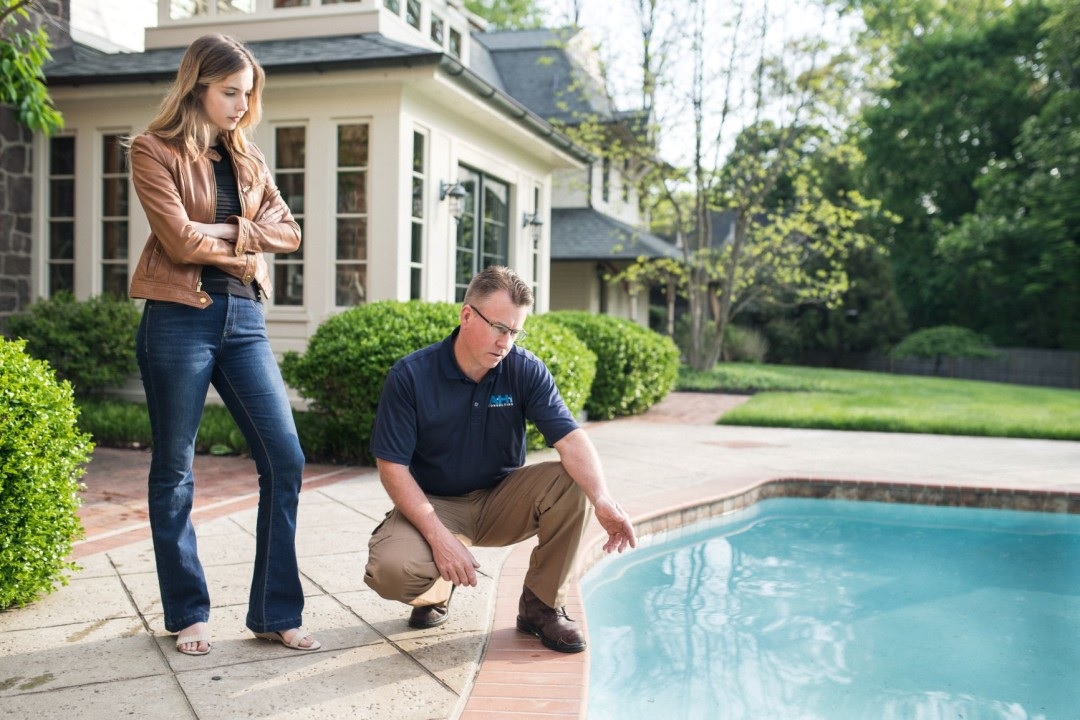
A swimming pool can be a wonderful addition to any Australian home, offering a refreshing escape from the summer heat and a central point for family fun. When buying or selling a property with a pool, ensuring it is safe and compliant with local regulations is essential. This is where a professional pool inspection becomes necessary. Engaging a qualified inspector provides peace of mind that the pool area meets all current safety standards.
Finding the right person for the job is important for a thorough assessment. An inspector’s report will detail the condition of the pool fence, gates, and the pool structure itself. This report is a vital document for property transactions and for ensuring the safety of your family. A comprehensive inspection will give you a clear picture of any required repairs or upgrades.
When you start your search for an inspector, it’s good practice to look for professionals with specific experience in pool safety compliance. Online resources can be a helpful starting point. For instance, you can find registers of certified professionals at sites like https://www.poolcertify.com.au/ to verify credentials. The right inspector will possess the necessary qualifications and a deep understanding of state and local council requirements, which can differ across Australia.
What to Look for in a Pool Inspector
The first step is to check for proper licensing and insurance. Each state and territory has its own set of rules for pool safety inspectors. For example, in Queensland, inspectors must be licensed with the Queensland Building and Construction Commission (QBCC). In New South Wales, they must be registered with the Building Professionals Board. Always ask for proof of current licensing and professional indemnity insurance before you hire someone.
Experience is another significant factor. An inspector who has been working in your local area for many years will have a strong understanding of specific council regulations. They will have seen a wide variety of pool setups and potential issues. Ask about their experience with pools similar to yours and request references from previous clients if you feel it’s necessary.
Understanding the Inspection Process
A thorough pool inspection covers more than just a quick look at the fence. The inspector will check the height and condition of the pool barrier, the function of self-closing and self-latching gates, and the absence of any climbable objects nearby. They will also assess the signage, such as CPR charts, which must be clearly displayed as required by law.
After the inspection, you should receive a detailed written report. This document will either certify that the pool is compliant or list any issues that need to be addressed. A good report is easy to understand and includes photographs to illustrate the points made. It should clearly outline what needs to be fixed to meet the safety standards. This report is your guide to ensuring your pool area is safe for everyone.