

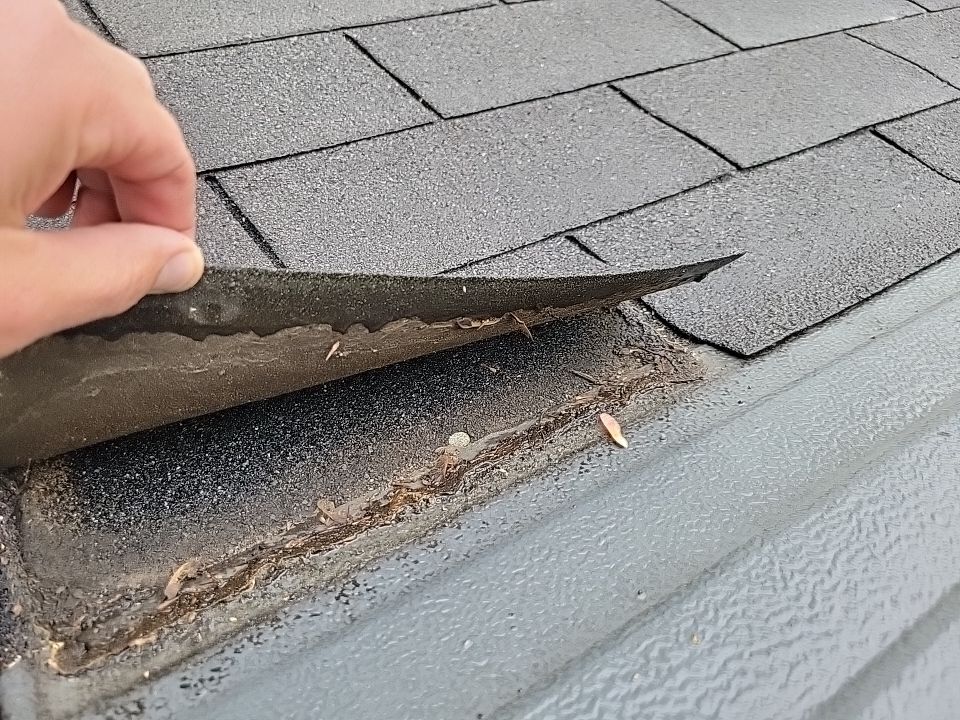
Any time your home experiences a roof leak, it can be a sign of a larger underlying issue. No roof leak should be taken lightly and the underlying problem should be identified and fixed immediately. Repairing a roof in time can be much more cost-effective than allowing the problem to worsen. Knowing the common causes of leaks in roofs and ways to prevent them can help you bring down the cost of ownership and the hassles that come with it.
Here are 5 common causes of roof leaks and the ways you can prevent them from happening:
1. Age-Based Wear & Tear
A leak on a roof typically means there is a problem that requires repair or replacement. Asphalt shingles can become brittle over time due to exposure.
Some of the common signs that indicate roof aging include:
- Shingles have curled edges, breaks, and cracks
- Brittle shingles that flake apart or break easily
- Missing granules from the shingles expose the underlying areas
If your roof is less than 10 years old, a leak can mean a problem with workmanship. If it is older, you should not wait to get your roof inspected for a repair or replacement, as the damage can then reach the insulation, drywall, or even the electrical system.
Prevention: It is recommended to get annual roof inspections and timely repairs. Regular shingles treatment can help restore the material’s oils to make them flexible and withstand the elements more effectively.
2. Missing or Damaged Shingles
Damaged shingles are among the most common causes of leaking roofs. This problem can be easily identified. It is recommended to check your shingles regularly, especially after storms.
If you do not take care of damaged or missing shingles, you may experience the following issues:
- Damage to interior ceilings and insulation
- Rot inside the roof decking
- Mold development in the crawl space or attic
Prevention: Make sure to schedule periodic roof inspections, including post-storm check-ups, and replace any damaged or missing shingles.
3. Poorly Installed Skylights
When improperly installed, skylights can cause leakage. Sometimes, the seal around the edge can start breaking down and cause water to leak in whenever it rains. The following signs are common indicators of issues with skylights:
- Visible cracks or gaps in the caulking along the frame
- Water stains on the skylight
- Water leakage during storms
Prevention: You can avoid this roof problem by ensuring the skylights are installed by an experienced, licensed, and reputable professional. It is further recommended to get the skylights checked whenever your roofing expert comes for a routine inspection.
4. Damaged Chimney
Chimney leaks usually involve water entering the fireplace or through a wall. If a damaged chimney is not identified and fixed immediately, you can expect a costly repair job. Leaks are common in chimneys because of the way the different materials and flashing meet and connect with each other. Some of the common signs of water leaking through the chimney are as follows:
- Stained ceilings or walls around the fireplace
- Musty odor in the room with the fireplace
- Rust on the metal components and dampers in the fireplace
- A pasty white residue on the brick’s surface
Prevention: It is recommended to ensure proper chimney cap installation, chimney crown sealing, and timely repair of flashing. Further, the chimney should be annually inspected to find and repair any minor damage before it turns into costly leaks.
5. Damaged or Rusted Flashing
Damaged flashing is hard to identify for homeowners. It is a problem that is most often discovered by experts. The roofing sealant securing the roof together can wear off over time. This cause can be identified by checking the flashing at the leak’s source. Flashing can suffer from rusting, cracks, or warping.
Prevention: Have your flashing checked periodically for gaps or corrosion and get it resealed by your roofing company.
There are many more problems that can cause roof leaks. This includes clogged gutters, damaged roof vents, improperly sealed valleys, ice dam build-up, and raised roof nails. Many of these causes can go undetected and require professional inspection to be identified. So, an annual roof inspection is highly recommended for every homeowner.