

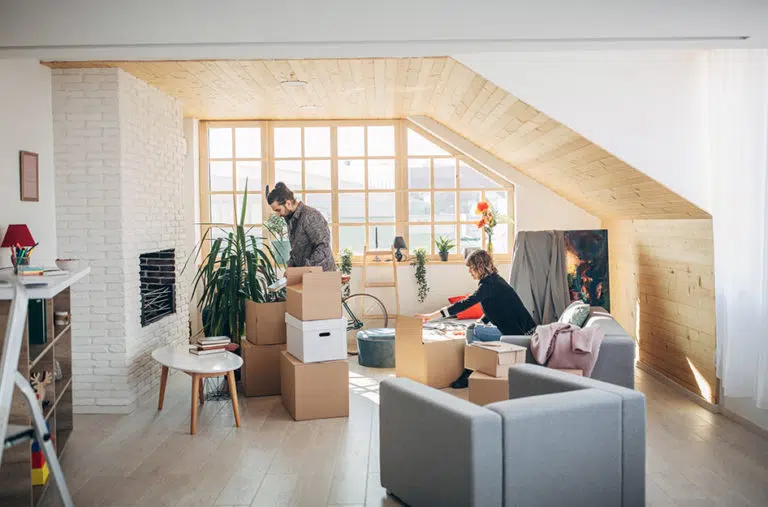
Relocating to a small apartment presents a unique set of logistical challenges. Unlike moving into a spacious single-family home where items can be temporarily stored in basements, garages, or spare rooms, a small apartment demands immediate spatial discipline. Every square foot counts, and failing to plan ahead can turn moving day into a chaotic maze of stacked boxes, blocked doorways, and unmanageable clutter.
A successful small-space move relies on strategic decluttering, accurate spatial planning, efficient packing methodologies, and a structured unpack routine. By treating the move as an opportunity to audit your possessions and optimize your living footprint, you can transition smoothly into your new home without feeling overwhelmed by your belongings.
Conducting a Rigorous Pre-Move Purge
The single most effective way to simplify a small apartment move is to reduce the volume of items you need to transport. Moving unnecessary belongings into a limited footprint wastes moving supplies, inflates transportation costs, and instantly compromises your new living space.
The Four-Category Sorting Method
Go through every closet, drawer, and storage container in your current residence at least four weeks before your move date. Separate your items into four distinct categories:
- Keep: Items that are essential, frequently used, or hold deep sentimental value, and specifically fit the dimensions and layout of your new apartment.
- Sell: Quality furniture, electronics, or designer clothing that no longer fit your lifestyle or spatial budget. Post these items on digital resale platforms early to generate extra moving funds.
- Donate: Functional kitchenware, duplicate household tools, and gently worn clothing that can benefit local charities or community centers.
- Discard: Damaged goods, expired products, broken electronics, and worn-out linens that are beyond repair or re-use.
Auditing Furniture for Spatial Fit
Large furniture pieces designed for suburban homes rarely translate well to compact apartment layouts. Oversized sectionals, heavy wooden armoires, and wide coffee tables can easily overpower a small living room or block traffic pathways. Measure your current large furniture items and compare those numbers directly against the floor plan of your new apartment before loading them onto a moving truck. If a piece restricts door swings or leaves insufficient walkway clearance, sell or donate it prior to moving day.
Precision Floor Planning and Spatial Mapping
Moving into a small apartment without a designated layout strategy leads to unnecessary physical exertion and restacking of heavy boxes. Creating a detailed floor plan beforehand allows you to place furniture and boxes in their final locations on the very first try.
- Measure Clearances and Doorways: Take detailed measurements of your new apartment entry doors, hallway widths, elevator dimensions, and ceiling heights. Verify that large items, such as mattresses, box springs, and dressers, can navigate tight hallway turns and door frames without damaging walls.
- Map Functional Zones: Outline dedicated areas for sleeping, dining, working, and relaxing on a scale drawing of your new floor plan. Ensure that multi-functional zones do not overlap awkwardly.
- Account for Vertical Real Estate: In small apartments, vertical wall space replaces missing floor square footage. Identify walls suitable for tall bookcases, wall-mounted shelving, and hanging storage units before unpacking.
Strategic Packing Techniques for Compact Living
Packing for a small space requires a tactical approach. Traditional packing methods often result in oversized boxes that clutter small rooms and make navigating the apartment impossible during unpacking.
Utilizing Nesting and Vacuum-Sealing Strategies
Maximize the structural efficiency of your containers by using space-saving packing techniques:
- Vacuum-Sealer Bags: Compress bulky winter coats, extra bedding, decorative pillows, and seasonal clothing using heavy-duty vacuum storage bags. This reduces the total physical volume of soft goods by up to seventy percent.
- The Nesting Principle: Pack smaller items inside larger hollow items. Place kitchen spices inside cookware pots, tuck socks and belts inside footwear, and fill suit cases, duffel bags, and laundry hampers with linens before using cardboard boxes.
- Uniform Box Sizing: Opt for small and medium-sized boxes rather than large, unwieldy cartons. Standardized medium boxes stack more stably in tight apartment corridors, leaving clear walking paths.
Implementing a Room-Specific Color Coding System
Labeling boxes merely with generic terms like “Living Room” or “Misc” creates confusion when unloading into a small footprint. Implement a high-visibility color-coding system using colored duct tape or bright labels:
- Assign a distinct color to each dedicated zone in the new apartment (for example, Blue for Kitchen, Green for Bathroom, Red for Primary Closet).
- Mark every box on at least three sides and the top surface with its corresponding color code.
- Post a matching colored sheet of paper on the entry door frame of each corresponding room or zone in the new apartment so movers or helpers can drop boxes precisely where they belong without asking.
Managing Moving Day Logistics in Tight Environments
High-density apartment complexes and narrow urban streets require careful coordination to avoid lease violations, parking fines, or building damage.
- Reserve Elevators and Parking Permits: Coordinate with your new building management well in advance to reserve the freight elevator for a specific moving window. Secure street parking permits for the moving truck if your building lacks a dedicated loading dock.
- Protect Common Areas and Surfaces: Small apartment hallways and entryways are prone to wall scuffs and door frame scratches. Protect your security deposit by laying down temporary floor runners and applying padded corner guards or moving blankets to narrow door frames.
- Establish an Unpacking Staging Zone: Designate one specific corner or wall—preferably far away from the main entryway—to stack incoming boxes vertically. Keeping boxes neatly stacked against a single wall preserves open central floor space for assembling beds and maneuvering furniture.
Unpacking and Organizing for Immediate Livability
The unpacking phase sets the tone for how organized your new apartment will remain over time. Unpacking randomly across multiple rooms simultaneously creates total spatial paralysis in a small home.
- Assemble the Bed First: Set up your bed frame and mattress before opening secondary boxes. Moving is physically exhausting, and having a complete, clean bed ready ensures you can rest comfortably at the end of the day without scrambling through boxes for sheets.
- Unpack the Bathroom Essentials: Set up the shower curtain, toilet paper, hand towels, and basic toiletries immediately so the bathroom is fully functional right away.
- Organize the Kitchen Workstations: Unpack basic cookware, plates, and everyday utensils. Clear off the kitchen counter completely to maintain a clean visual surface.
- Tackle One Zone at a Time: Complete unpacking the bedroom closet entirely before moving on to the living room or home office setups. Break down and flatten cardboard boxes as soon as they are emptied to clear floor space continuously.
Long-Term Spatial Optimization Strategies
Once the boxes are emptied and recycled, focus on organizing your belongings to maintain an airy, spacious feel over the long term.
- Maximize Under-Bed Storage: Utilize short, long rolling storage bins under your bed frame to store extra linens, out-of-season footwear, or formal wear.
- Hang Curtains High and Wide: Mount curtain rods several inches above window frames, close to the ceiling line. Extending curtains to the floor creates the optical illusion of higher ceilings and larger windows.
- Incorporate Floating Furniture: Wall-mounted desks, floating nightstands, and wall-anchored shelving units keep floor surfaces clear, making small rooms appear larger and easier to clean.
- Practice the One-In, One-Out Rule: To prevent clutter from accumulating after your move, commit to removing an old item whenever you bring a new purchase into your apartment.
Frequently Asked Questions
What should I pack in an essential first-night box for a small apartment move?
Your first-night essential box should contain items required for immediate survival and comfort without opening standard moving boxes. Include toilet paper, basic toiletries, prescription medications, phone chargers, a change of clothes, basic bedding, a utility knife, trash bags, paper towels, cleaning wipes, and basic tools like a screwdriver and tape measure.
How do I handle large furniture that does not fit up a narrow apartment stairwell?
If large furniture cannot clear narrow stairwell landings or small elevator doors, evaluate whether the piece can be partially or fully disassembled by removing legs, doors, or cushions. If physical disassembly is impossible, you may need to hire professional movers who offer specialized hoisting services to lift the furniture through an exterior window or balcony door.
What is the best way to move clothes stored on hangers when space is limited?
Rather than buying bulky wardrobe boxes that consume significant truck floor space, use heavy-duty trash bags or fabric garment bags. Group ten to fifteen hung items together, pull a large trash bag up over the clothes from the bottom, tie the drawstring tightly around the top metal hook clusters, and lay them flat in your vehicle. Once at the new apartment, hang the cluster directly in the closet and remove the bag.
How early should I notify my new apartment management building about my move-in date?
Notify your new apartment management or landlord at least three to four weeks prior to your target move date. This provides ample time to reserve the loading dock, book exclusive access to the service elevator, review move-in insurance requirements, and obtain parking permits for moving vans.
How can I make a small apartment living room feel larger after moving in?
To maximize perceived spatial volume, use low-profile furniture with visible legs that allow light to pass underneath. Hang large mirrors opposite windows to reflect natural light, maintain clear walking paths free of small clutter, choose light-colored window treatments, and use a single oversized area rug that anchors all major seating pieces rather than multiple small rugs that fragment the floor space.
Should I hire professional movers or do a self-move when transitioning to a small apartment?
The decision depends on access conditions, item volume, and physical ability. If your small apartment is located in a high-rise building with strict move-in windows, tight stairwells, or limited parking, hiring professional movers with urban experience is often worth the investment. However, if you are moving a short distance with minimal furniture, renting a small moving van and enlisting help from friends can be a cost-effective alternative.
How do I prevent cardboard box clutter from taking over my small apartment while unpacking?
To keep your footprint clear, unpack and break down cardboard boxes incrementally. As soon as a box is emptied, flatten it using a utility knife and slide it underneath a bed or behind a doorway. Once you accumulate five to ten flattened boxes, bundle them with twine and move them out of the living space to a designated recycling area or building trash room immediately.