

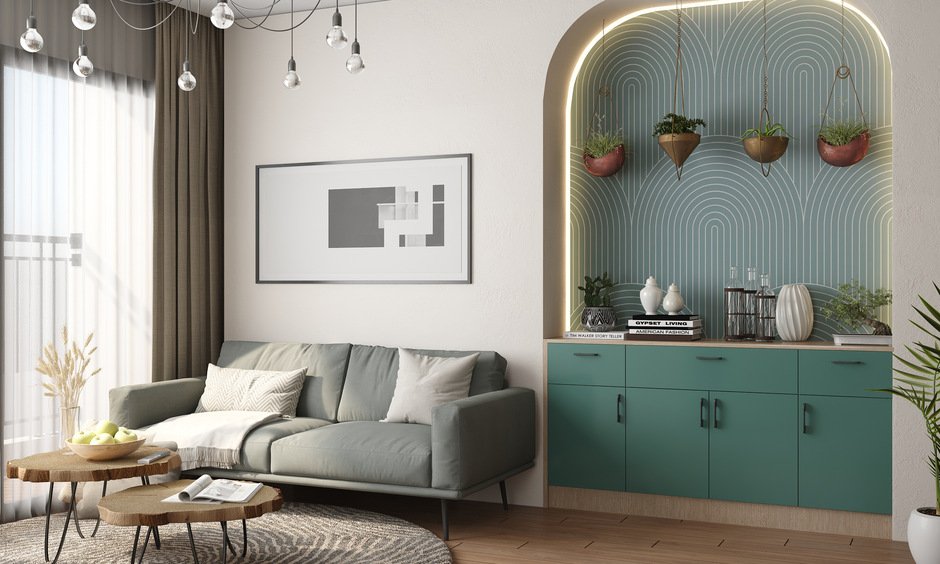
Maintaining an elegant, visually cohesive home environment while managing the daily accumulation of personal belongings presents a constant interior design challenge. Physical clutter disrupts visual harmony, creates mental friction, and reduces usable floor space. However, traditional storage methods—such as plastic bins, utilitarian shelving units, and bulky plastic containers—often compromise room aesthetics and detract from a home overall design scheme.
Modern interior design solves this dilemma by merging high-end aesthetics with structural functionality. Smart storage solutions integrate seamlessly into living spaces, turning necessary organization into an architectural asset. By utilizing multi-functional furniture, built-in carpentry, vertical wall space, and hidden storage systems, you can create a organized, clutter-free home without sacrificing personal style.
Embracing Multi-Functional Furniture Design
Selecting furniture pieces that serve dual purposes is one of the most effective strategies for maximizing storage capacity, particularly in compact urban living spaces. Multi-functional furniture conceals daily essentials while serving as primary room anchors.
- Storage Ottomans and Bench Seating: Deep tufted ottomans and entry benches provide comfortable seating while housing heavy winter blankets, board games, shoes, or extra throw pillows beneath hinged lids.
- Platform Beds with Integrated Drawers: Modern bed frames frequently incorporate smooth pull-out drawers along their base perimeter, utilizing under-bed clearance for off-season clothing, linens, and footwear storage.
- Lift-Top Coffee Tables: Living room coffee tables equipped with internal hydraulic lift mechanisms elevate to comfortable working heights while revealing deep interior compartments for remote controls, laptops, and magazines.
- Extendable Console Tables: Sleek entryway tables with hidden internal shelving can transition into dining surfaces while keeping keys, mail, and electronics charging cables neatly out of sight.
Maximizing Vertical Wall Space and Architectural Built-Ins
Floor space is a finite resource. Looking upward to underutilized vertical planes allows homeowners to multiply storage capacity while adding architectural interest to blank walls.
Custom Built-In Cabinetry and Millwork
Custom built-in storage creates a seamless, tailored aesthetic that feels part of the original home architecture rather than an added piece of furniture. Running floor-to-ceiling cabinetry around entertainment centers, fireplaces, or home office desks utilizes every inch of vertical height.
- Monochromatic Integration: Painting built-in cabinetry the exact same color as adjacent walls helps massive storage units blend visually into the room, keeping small spaces feeling open and uncluttered.
- Concealed Panel Doors: Utilizing push-to-open cabinet hardware eliminates external handles, creating smooth, uninterrupted wall planes that conceal deep storage bays behind minimalist door faces.
Strategic Floating Shelving
Floating shelves offer functional storage while serving as display platforms for curated art, hardbound books, and decorative ceramics.
-
Staggered Spatial Layouts: Arranging floating shelves in asymmetrical or staggered configurations creates visual movement across living room or kitchen walls.
-
Under-Shelf Lighting Integration: Embedding warm LED strip lighting underneath floating shelves illuminates display items while casting soft ambient light across surrounding surfaces.
Optimizing Hidden Workspaces and Convertible Nooks
The widespread adoption of remote work has increased the demand for dedicated home office setups. However, leaving computer monitors, keyboard wiring, and paper files visible in primary living areas creates visual noise.
Smart home design addresses this challenge through hidden workspaces and convertible architectural nooks:
- Pocket Door Secretarial Desks: Custom wall cabinets featuring bi-fold or pocket doors open to reveal full-function computer desks, pull-out keyboard trays, and office supplies, closing fully at the end of the workday to restore room serenity.
- Alcove and Closet Conversions: Repurposing small hall closets or under-stair alcoves into built-in desk stations maximizes dead square footage without encroaching on main room floor plans.
- Fold-Down Wall Desks: Wall-mounted drop-leaf desks fold flat against the wall when not in use, providing immediate temporary workspace in compact guest bedrooms or living rooms.
Kitchen and Pantry Organization Frameworks
Kitchens generate high daily traffic and harbor hundreds of small cooking implements, dry goods, and appliances. Without structured organizational infrastructure, kitchen countertops quickly become cluttered with toaster ovens, knife blocks, and spice jars.
High-Efficiency Cabinet Inserts
Modern kitchen design prioritizes interior cabinet customization over raw cabinet volume, ensuring every corner is easily accessible.
- Pull-Out Pantry Columns: Narrow, full-height vertical pull-out racks allow spices, oils, and dry goods to be accessed easily from both sides without reaching into deep, dark cabinet backs.
- Corner Blind Appliance Lifts: Hydraulic appliance lifts stored inside lower corner cabinets raise heavy stand mixers and food processors smoothly to countertop height when needed, hiding them away after use.
- Deep Drawer Divider Systems: Replacing standard lower cabinets with deep pull-out drawers equipped with adjustable wooden pegs holds heavy Dutch ovens, frying pans, and dishware securely in place.
Bathroom Vanity and Vertical Storage Upgrades
Bathrooms require rigorous storage organization due to limited square footage and a high density of personal care items, towels, and cleaning supplies.
- Recessed Medicine Cabinets: Replacing flat wall mirrors with frameless, recessed mirror cabinets provides hidden, eye-level storage for toiletries without projecting outward into small room footprints.
- Floating Vanity Units: Wall-mounted floating vanities elevate storage drawers above the floor plane, creating an open visual clearance underneath that makes small bathrooms feel larger while housing deep plumbing-clearance pull-outs.
- Over-the-Toilet Vertical Towers: Installing custom wood cabinetry directly above toilet tanks converts previously wasted vertical wall space into linen and towel storage.
Strategic Guidelines for Maintaining Clutter-Free Spaces
Implementing smart storage infrastructure is the first step; maintaining visual order over time requires consistent operational habits:
- Audit Belongings Periodically: Conduct semi-annual reviews of clothing, kitchen appliances, and documents. Donate or discard items that are broken, expired, or unused to prevent storage systems from overflowing.
- Utilize Uniform Storage Containers: When storing items on open shelves or inside glass-front cabinets, use identical woven baskets, clear acrylic bins, or linen boxes to establish a cohesive visual rhythm.
- Designate Drop Zones Near Entryways: Establish dedicated landing pads featuring wall hooks, shoe cubbies, and key dishes near main entrances to intercept incoming mail, coats, and footwear before they spread to living areas.
Frequently Asked Questions
What is the most space-efficient way to add extra clothing storage to a small bedroom without a walk-in closet?
The most space-efficient solution is utilizing platform bed frames with integrated deep sliding drawers, combined with a floor-to-ceiling wardrobe system along an unused wall. Utilizing full vertical wall height up to the ceiling provides significantly more storage volume than a traditional short wooden dresser while maintaining a compact room footprint.
How can I make open shelving look stylish rather than cluttered?
To keep open shelving looking sophisticated, apply the rule of balance and negative space. Group items in odd numbers, vary object heights, and leave at least thirty percent of the shelf area empty. Combine functional items like books with decorative elements like ceramic vases, small framed prints, or trailing plants, keeping color palettes consistent across the display.
What are the best storage solutions for narrow hallways and entryways?
Narrow hallways benefit from slim, wall-mounted furniture with shallow depths, such as tilt-out shoe storage cabinets, floating ledges with hidden drawers, and wall-mounted peg rail systems. Mirrors placed above shallow entryway consoles reflect light and expand the perceived width of the corridor.
How do I organize deep lower kitchen cabinets where items get lost in the back?
The best way to resolve deep kitchen cabinet accessibility issues is to retrofit the interior with full-extension roll-out wooden trays or heavy-duty wire basket drawers. Roll-out hardware pulls the entire contents of the cabinet out into the open, allowing you to see and reach items stored at the back without kneeling or digging.
Are built-in storage systems worth the financial investment compared to freestanding furniture?
Yes, custom built-in storage systems generally provide a higher return on investment and superior aesthetic value. Built-ins maximize every inch of available space, integrate seamlessly with structural architecture, and increase overall property appraisal value by adding permanent storage capacity that appeals strongly to prospective home buyers.
How can I hide messy electronic cords and power strips around media centers and desks?
You can manage cord clutter by installing cable management channels along the backside of furniture legs, using under-desk wire basket trays to elevate power strips off the floor, and choosing media consoles with built-in rear ventilation cutouts and internal cable management channels.
What storage materials are best suited for high-humidity environments like bathrooms and basements?
In humid environments, choose non-porous and moisture-resistant materials like powder-coated metal, sealed teak or bamboo, acrylic bins, ceramic containers, and marine-grade plywood with water-resistant veneers. Avoid untreated particleboard or unsealed wood, which can swell, warp, and harbor mold when exposed to continuous moisture.