

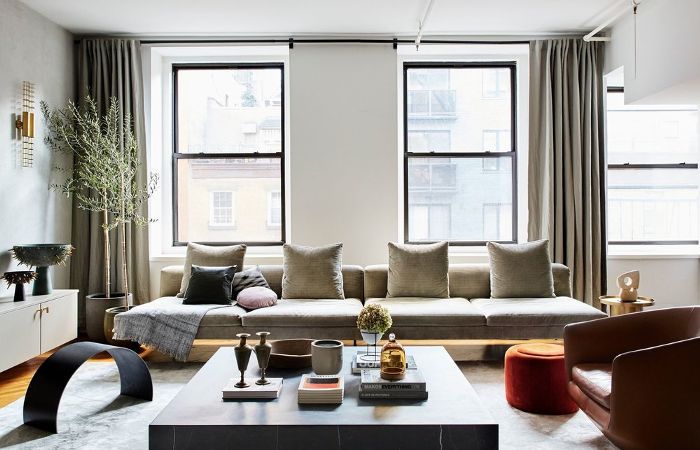
Designing a high-end, sophisticated home interior does not require a massive financial investment or a professional design budget. While luxury furniture showrooms feature astronomical price tags, the visual appeal of elevated interior design relies on principles of proportion, material selection, texture contrast, and strategic styling rather than cost alone.
By applying smart buying strategies, utilizing targeted cosmetic upgrades, and focusing on classic design silhouettes, you can curate a living space that radiates custom elegance at a fraction of the cost. This guide details practical, high-impact strategies for sourcing, customizing, and styling affordable furniture pieces to achieve a luxurious aesthetic.
Prioritizing Timeless Silhouettes and Clean Lines
The overall shape and proportion of a furniture piece dictate its perceived value far more than its brand label. Inexpensive furniture often reveals its budget nature through overly complex ornamentation, awkward proportions, or trendy, short-lived gimmicks.
To make budget furniture appear bespoke, focus on classic design forms:
- Embrace Mid-Century Modern and Scandinavian Minimalism: Clean, geometric silhouettes with tapered legs and simple profiles look inherently intentional and high-end.
- Opt for Low-Profile Seating: Sofas and armchairs with lower seat heights and clean horizontal lines mirror high-end European furniture design, giving rooms an open, airy feeling.
- Choose Tailored, Structured Upholstery: Avoid overly puffy, slouchy sofas with loose padding. Instead, select upholstered pieces with crisp seams, tight-back cushions, or classic button tufting that maintain their structural integrity over time.
Elevating Flat-Pack Furniture Through Strategic Customization
Mass-market flat-pack furniture offers exceptional functional value, but its default hardware and finishes often betray its lower price point. Simple cosmetic modifications can transform mass-produced items into one-of-a-kind designer statements.
Upgrading Default Hardware
Factory-installed drawer pulls, cabinet handles, and door knobs are typically generic and lightweight. Replacing stock plastic or thin metal hardware with heavy, solid-metal alternatives creates an immediate tactile upgrade.
- Material Upgrades: Choose hardware made from brushed brass, solid copper, matte black iron, or genuine leather loops.
- Visual Impact: Substantial, weighty handles give dressers, sideboards, and nightstands a custom, built-in appearance.
Swapping Out Furniture Legs
Replacing cheap plastic or pale wood furniture legs is one of the fastest ways to elevate a budget sofa, credenza, or accent chair.
- Tapered Wooden Legs: Swapping basic feet for warm walnut or dark oak tapered legs adds classic mid-century elegance.
- Metallic Hardware: Installing brushed brass or matte black hairpin legs instantly modernizes basic cabinets and media consoles.
Applying High-End Paint and Texture Finishes
A coat of rich paint can completely conceal cheap wood veneer or laminate surfaces.
- Moody, Deep Paint Shades: Painting plain wooden bookcases or dressers in dramatic tones like deep navy, charcoal grey, forest green, or creamy off-white elevates their visual weight.
- Monochromatic Schemes: Painting a budget piece the exact same color as the wall behind it creates an expensive, architectural built-in look.
- Fluted and Slatted Accent Panels: Attaching half-round wooden dowels to the doors of a basic cabinet before painting creates textured fluting, mimicking high-end contemporary designer furniture.
Sourcing High-End Materials on a Budget
Certain materials naturally communicate luxury due to their historical association with fine craftsmanship. Incorporating these textures into your home creates an elevated visual atmosphere without requiring authentic antique investment.
Incorporating Rich Upholstery Fabrics
Textile selection plays a massive role in how furniture is perceived visually and tactilely.
- Velvet: Rich cotton or performance velvet captures ambient light beautifully, adding depth and vibrant color to accent chairs, headboards, and throw pillows.
- Boucle and Linen: Textured boucle and natural woven linen add subtle tactile sophistication to modern seating silhouettes.
- Avoid High-Gloss Synthetic Fabrics: Shiny polyester blends tend to look inexpensive and wear down quickly under daily use.
Utilizing Stone, Glass, and Metal Accents
Solid wood furniture can be expensive, but smaller accent pieces incorporating stone, metal, or glass deliver high aesthetic impact for modest investments.
- Faux-Marble and Terrazzo: High-quality faux-marble or sintered stone coffee tables and side tables provide the cool elegance of natural stone at a modest cost.
- Tinted and Smoked Glass: Glass-topped tables keep small rooms feeling open while adding a sleek, contemporary touch.
- Warm Metallic Frames: Metal frames with antique brass or soft bronze finishes add reflective warmth without looking harsh or overly shiny.
Sourcing Vintage and Secondhand Treasures
The most curated, expensive-looking homes rarely feature furniture purchased entirely from a single big-box retail store. Mixing vintage, antique, and secondhand finds alongside contemporary pieces creates a layered, historic feel that cannot be replicated by mass production.
- Thrift Stores and Estate Sales: Look for solid wood dining tables, wooden dressers, and brass accent pieces at local estate sales. Older furniture was frequently constructed with real hardwood and traditional joinery superior to modern particleboard items.
- Online Resale Marketplaces: Search digital secondhand platforms for high-end designer brands being sold at deep discounts by owners who are moving or redecorating.
- Refinishing Potential: Do not be deterred by minor surface scratches or outdated stains on solid wood furniture. A quick sanding session and a fresh coat of wood stain or paint can restore a vintage piece to pristine condition.
Strategic Styling Techniques That Elevate Budget Pieces
How you arrange and accessorize furniture dictates its final appearance within a room. Even an inexpensive coffee table or bookcase looks elevated when styled with intention.
- Apply the Rule of Three: Arrange decorative accents on coffee tables and sideboards in odd numbers, varying the height and scale of objects (such as pairing a tall vase, a low dish, and a stack of books).
- Invest in Oversized Wall Art: Hanging a single, large-scale framed canvas above a budget sofa anchors the seating arrangement and draws eyes upward, creating a grand, gallery-like ambiance.
- Incorporate Statement Lighting: Pair budget seating arrangements with substantial floor lamps or sculpted table lamps featuring natural fabric shades to create warm, layered ambient lighting.
- Integrate Large-Scale Rugs: A undersized rug makes furniture look cramped and cheap. Ensure your area rug is large enough for at least the front legs of all major seating pieces to rest upon it.
Frequently Asked Questions
What is the single most important modification to make cheap furniture look expensive?
Swapping out default hardware like drawer pulls and door knobs for heavy, high-quality brass, iron, or matte black metal handles is the fastest and most impactful low-cost modification. This simple change alters the primary tactile point of contact, giving mass-produced items a custom, handcrafted feel instantly.
How can I make wood veneer or laminate furniture look like real solid wood?
You can elevate veneer or laminate furniture by lightly sanding the glossy surface, applying a specialized bonding primer, and painting the piece in a rich, matte or satin dark tone like charcoal, espresso, or deep forest green. Adding natural wood elements nearby, such as a genuine solid wood tray or bowl, also enhances the overall organic feel of the arrangement.
Are secondhand furniture items safe to bring into the home?
Yes, secondhand furniture is safe when inspected properly before purchase. Thoroughly examine upholstered items for structural damage, odors, and pests. Stick to solid wood, metal, glass, or stone secondhand items whenever possible, as non-porous surfaces can be easily cleaned, disinfected, sanded, or repainted.
What colors make a room and its furniture look most expensive?
Monochromatic palettes, muted neutrals, and deep jewel tones convey high-end design. Shades like warm cream, taupe, soft greige, slate grey, deep navy, and forest green create sophisticated backdrops that make furniture pieces stand out cleanly without visual clutter.
How do I prevent a budget sofa from sagging and looking worn over time?
To maintain the structure of an affordable sofa, rotate and fluff the seat and back cushions weekly to distribute wear evenly. If the bottom seat cushions begin to sag, you can unzip the cushion covers and insert high-density foam inserts or polyester fiberfill to restore firm, crisp tailored lines.
What type of lighting makes affordable furniture look best?
Warm, layered ambient lighting makes furniture look significantly more expensive than harsh overhead lighting. Use table lamps, floor lamps, and wall sconces equipped with warm white LED bulbs (around 2700K) to cast soft illumination across furniture textures, highlighting fabrics and wood grains while concealing minor surface imperfections.
How can I make a basic flat-pack bookcase look like a custom built-in unit?
To transform basic freestanding bookcases into custom built-ins, place multiple units side by side, secure them firmly to the wall studs, and apply decorative baseboard trim along the bottom and crown molding across the top. Fill the vertical seams between the units with paintable caulk, sand smooth, and paint the entire assembly the same color as your room walls.