

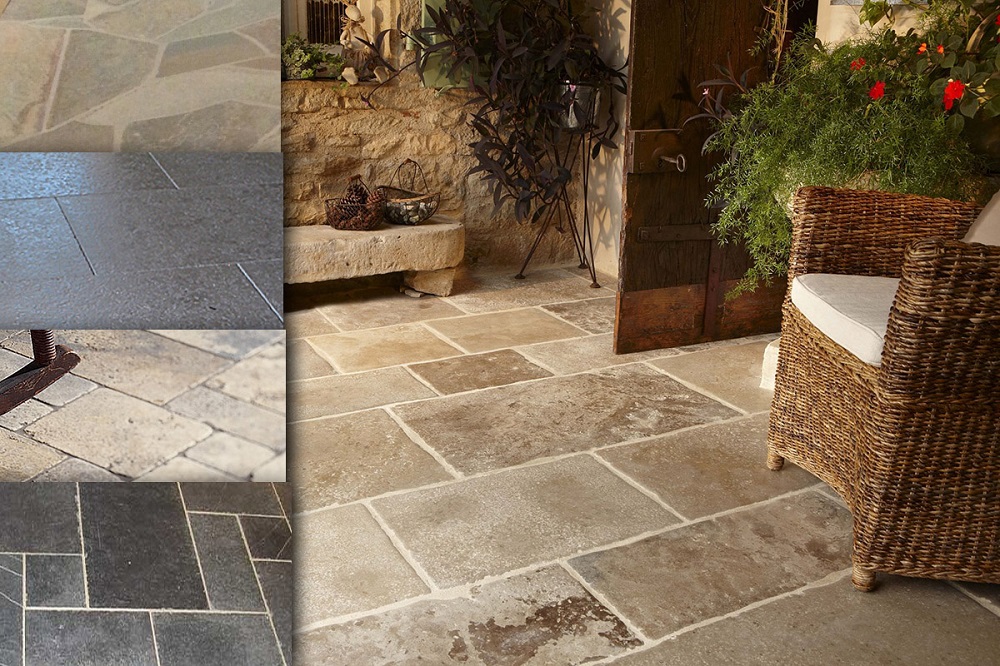
Natural stone flooring represents one of the most enduring and elegant choices for modern residential and commercial interiors. Quarried directly from the earth, stone materials bring a unique blend of organic texture, geological history, and structural permanence to interior architecture. Unlike manufactured flooring options like ceramic tile or synthetic vinyl, no two natural stone slabs are identical. Each tile exhibits distinct veining, mineral deposits, color variations, and textural characteristics formed over millions of years under geological heat and pressure.
Selecting natural stone flooring requires balancing aesthetic desires with structural realities, financial investments, and long-term upkeep requirements. This comprehensive guide evaluates the primary types of natural stone, their practical benefits, real-world cost factors, and essential maintenance protocols to keep your stone surfaces pristine for generations.
Popular Types of Natural Stone Flooring
Understanding the distinct geological traits of individual stone species helps homeowners select the ideal material for specific living zones and traffic conditions.
Granite
Granite is an igneous rock formed from cooling magma deep beneath the earth surface. Composed primarily of quartz and feldspar, granite is exceptionally dense, scratch-resistant, and non-porous compared to sedimentary stones. Its distinctive speckled appearance makes it a popular choice for high-traffic entryways, kitchens, and outdoor patios.
Marble
Marble is a metamorphic stone formed when limestone undergoes intense heat and pressure. Revered for its smooth surface, subtle translucency, and sweeping vein patterns, marble adds immediate luxury to foyers, primary bathrooms, and formal living spaces. However, marble is softer and more porous than granite, making it susceptible to scratching and chemical etching from acidic liquids.
Slate
Slate is a fine-grained metamorphic rock formed from sedimentary shale. It naturally splits into thin, textured layers, producing a slip-resistant surface ideal for mudrooms, bathrooms, and pool decks. Slate features rich, earthy tones ranging from deep charcoal and slate grey to rust orange and jade green.
Limestone
Limestone is a sedimentary rock composed largely of calcium carbonate derived from ancient marine organisms. It offers a soft, muted aesthetic characterized by subtle beige, cream, and grey tones. Because limestone is relatively soft and porous, it requires careful sealing and is best suited for low-impact interior areas like bedrooms and formal living rooms.
Travertine
Travertine is a specific form of limestone deposited by mineral hot springs. It is characterized by fibrous textures and natural surface pits created by trapped gas bubbles during formation. These pits can be left unfilled for a rustic, textured finish or filled with resin for a smooth, polished surface suitable for interior floors.
Core Benefits of Natural Stone Flooring
Investing in natural stone delivers distinct practical, aesthetic, and financial advantages that synthetic flooring materials struggle to replicate.
- Unmatched Longevity and Durability: Natural stone is virtually indestructible when properly installed and maintained. Many historical structures feature stone floors that have withstood centuries of continuous foot traffic without structural failure.
- Increased Property Value: Stone flooring is universally recognized as a premium architectural feature. Installing high-quality natural stone increases a home resale appraisal value and attracts prospective buyers looking for enduring craftsmanship.
- Unique Aesthetic Character: Synthetic flooring relies on repeating digital print patterns. Natural stone offers organic variations in color, veining, and texture, ensuring your floor is a one-of-a-kind installation.
- Excellent Thermal Conductivity: Stone possesses high thermal mass, making it the ideal partner for radiant floor heating systems. It absorbs, retains, and evenly radiates warmth across interior spaces during cold months.
- Hypoallergenic Indoor Environment: Stone surfaces do not harbor dust mites, pet dander, pollen, or fungal spores like carpet fibers do. Its smooth, non-emitting surface supports superior indoor air quality for allergy sufferers.
Understanding Material, Labor, and Overall Costs
Natural stone flooring represents a premium upfront financial investment. The total expense depends on the specific stone species, tile thickness, surface finish, structural prep work, and regional labor rates.
Material Expenses
Material costs vary widely based on rarity, quarry location, transportation logistics, and tile grade:
- Slate: Moderate cost, typically ranging from three to ten dollars per square foot for standard tiles.
- Travertine and Limestone: Mid-range cost, averaging between five and fifteen dollars per square foot depending on surface filling and finishing quality.
- Granite: Premium investment, ranging from six to twenty dollars per square foot for high-density, polished tiles.
- Marble: High-end luxury pricing, starting from eight dollars to over forty dollars per square foot for rare, imported varieties like Calacatta or Statuario.
Installation and Labor Expenses
Installing natural stone requires specialized masonry expertise and cannot be approached as a basic DIY project. Stone tiles are heavy, brittle prior to setting, and demand precise subfloor preparation to prevent cracking. Professional installation labor generally adds six to fifteen dollars per square foot to the total project cost.
Factors that increase installation expenses include:
- Subfloor reinforcement to support heavy stone loads without structural deflection.
- Uncoupling membrane installation to isolate the stone from foundation movement.
- Intricate layout patterns, diagonal cuts, or custom borders.
- On-site sealing, grouting, and post-installation surface polishing.
Essential Maintenance Protocols for Natural Stone
While natural stone is incredibly durable, it requires tailored care to preserve its finish and defend against moisture penetration and chemical damage.
Routine Cleaning and Dust Removal
Loose dirt, grit, and sand act as abrasives under foot traffic, scratching the polished surface of stone floors over time.
- Sweep or vacuum stone floors daily using a hard-floor setting without a rotating beater bar.
- Damp-mop floors weekly using clean, warm water and a neutral pH cleaner formulated specifically for natural stone.
- Avoid using harsh household cleaners, including vinegar, lemon juice, bleach, ammonia, or abrasive scrubbing powders. Acidic compounds react chemically with the calcium carbonate in marble, limestone, and travertine, causing dull acid-etch marks that require professional restoration to remove.
Sealing and Moisture Protection
Most natural stone species are naturally porous to varying degrees. Unsealed stone absorbs liquid spills, oils, and colored beverages, leading to deep structural staining and grout discoloration.
- Penetrating Impregnating Sealers: Apply a high-quality penetrating sealer upon installation and reapply every twelve to twenty-four months. Penetrating sealers soak beneath the surface into microscopic pores, repelling moisture and oils without altering the physical appearance or slip resistance of the stone.
- Water Drop Test: To check if your floor needs resealing, spill a few drops of water onto the stone surface. If the water beads up cleanly, the sealer is active. If the stone darkens and absorbs the water within five to ten minutes, it is time to apply a fresh coat of sealer.
Strategic Guidelines for Selecting the Right Stone
Choosing the appropriate natural stone involves aligning the material physical properties with the functional demands of your living space:
- Evaluate Room Traffic and Moisture: Select dense, non-porous stones like granite or textured slate for high-moisture, high-traffic zones like kitchens, entryways, and bathrooms. Reserve delicate marble and soft limestone for low-impact spaces like master bedrooms or formal dining areas.
- Consider Surface Finishes: Polished finishes offer high sheen and elegance but become slick when wet and show scratches easily. Honed (matte) or tumbled (textured) finishes offer superior slip resistance and disguise daily wear, making them ideal for households with children or pets.
- Budget for Subfloor Preparation: Ensure your subfloor meets rigid deflection standards before buying stone materials. Flexing subfloors cause rigid stone tiles and grout lines to crack under weight.
Frequently Asked Questions
Can natural stone flooring be installed over an existing tile or hardwood floor?
Installing natural stone over existing flooring is generally not recommended. Stone requires a rigid, perfectly flat, and deflection-free subfloor to prevent cracking. Existing hardwood expands and contracts with humidity shifts, which will break stone tile mortar joints, while setting stone over older tile adds excessive vertical height and weight that may exceed floor joist capacity.
How do you repair a scratched or etched marble floor tile?
Minor surface scratches and light acidic etch marks on marble can often be buffed out using specialized stone polishing compounds and fine diamond abrasive pads. Deep scratches or widespread dullness require professional stone restoration technicians who use weighted floor grinding machines to hone the surface smooth before repolishing and resealing it.
Is natural stone flooring suitable for homes with pets?
Yes, natural stone is suitable for pet owners, but material selection is critical. Textured slate or honed granite resists claw scratches and provides traction for animals. Soft or porous stones like polished marble or limestone should be avoided unless homeowners are diligent about cleaning pet accidents immediately and maintaining a strict sealing schedule to prevent liquid absorption.
What is the structural difference between a honed finish and a polished finish on stone tiles?
A polished finish is created by grinding the stone surface with progressively finer diamond abrasives until it achieves a high-gloss, reflective shine that highlights stone color and veining. A honed finish stops the grinding process earlier, leaving a smooth, satin, or matte surface that reflects minimal light, offers better traction, and conceals minor surface wear better than polished surfaces.
Why do some natural stone tiles develop rust spots after installation?
Certain natural stones, particularly slate and light-colored granites, contain trace deposits of iron sulfide minerals inside their structure. If the stone is exposed to excessive moisture during setting or lacks adequate sealer protection, these internal iron particles oxidize when reacting with water and oxygen, bleeding orange or brown rust stains through to the surface.
How does radiant underfloor heating interact with natural stone flooring?
Natural stone is one of the best flooring materials to pair with electric or hydronic radiant underfloor heating. Stone possesses high thermal conductivity and thermal density, meaning it heats up efficiently, distributes warmth evenly across the room footprint, and retains heat long after the heating system cycles off.
What causes grout lines to crack and loosen in a newly installed natural stone floor?
Grout cracking typically points to subfloor movement, improper thin-set mortar coverage, or incorrect grout mixing. If the subfloor flexes under weight because joists are undersized or plywood subflooring is too thin, the rigid stone and grout absorb the stress and crack. Additionally, failing to use an uncoupling membrane over concrete slabs can transfer foundation hairline cracks directly up into the stone floor above.