

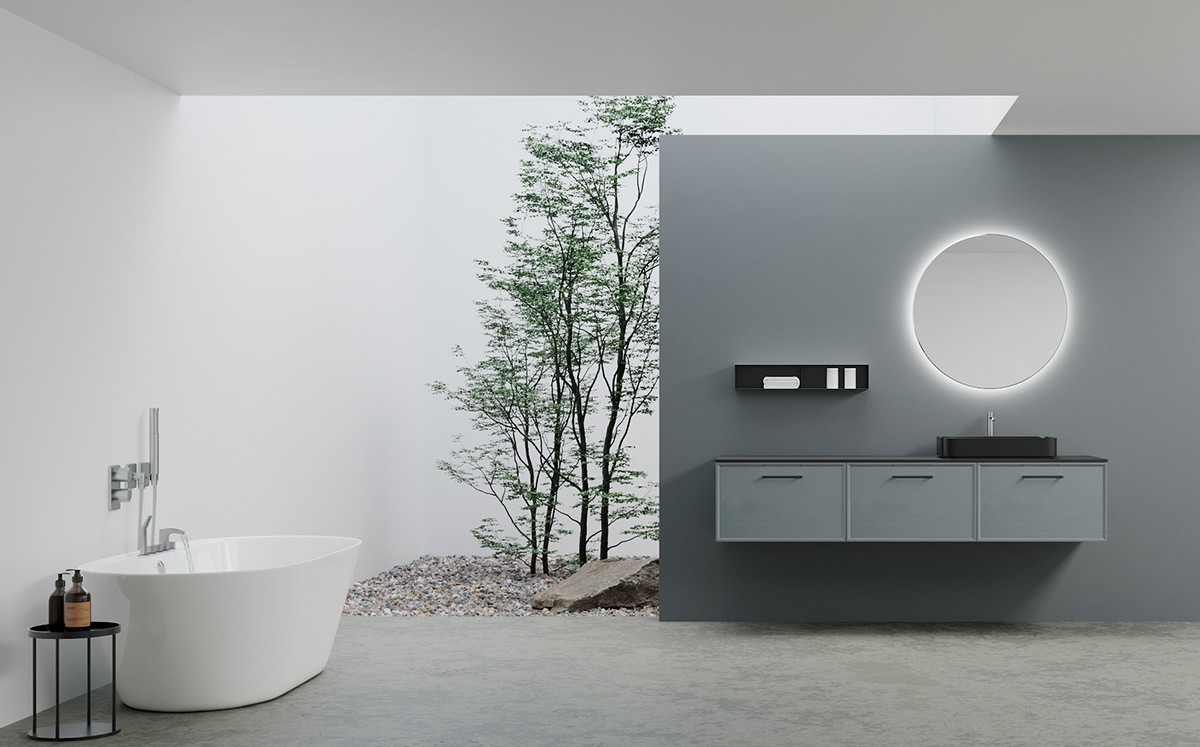
Introduction: Beyond Utility
The bathroom, once a purely utilitarian space, has evolved into a personal sanctuary—a place not only for hygiene but for solace, rejuvenation, and ritual. No longer confined to functionality alone, today’s bathrooms reflect our deeper desires for comfort, privacy, and design-driven tranquility. As architecture and interior design advance, the bathroom has transformed into a canvas where form meets function with an aesthetic sensibility that caters to modern lifestyles.
This article delves into the evolution, significance, and innovative design of the modern bathroom, offering insights into how this essential room is becoming one of the most personalized spaces in the home.
The Evolution of the Bathroom
Historically, the concept of private bathing was a luxury. In ancient Rome, elaborate public baths were central to social and cultural life. However, the idea of a dedicated room within the home for bathing and grooming is relatively recent, gaining prominence in the 20th century with the rise of modern plumbing and changing perceptions of privacy.
What began as a necessity has become a carefully curated retreat, influenced by global design movements, health trends, and technological advancements.
Key milestones in bathroom design evolution:
-
Victorian Era: The introduction of indoor plumbing and freestanding bathtubs.
-
Mid-century Modern: Sleek lines, tiled surfaces, and functional layouts.
-
Contemporary Era: Open-concept bathrooms, spa-inspired elements, and eco-conscious materials.
A Personal Sanctuary: The Psychology of Bathrooms
The bathroom is more than a space for physical cleansing—it offers a moment of solitude and psychological relief. It’s where many begin and end their day, preparing to face the world or winding down from its chaos.
Emotional and psychological roles of a bathroom:
-
Privacy and retreat: A rare space for uninterrupted alone time.
-
Mindfulness: Rituals such as a hot shower or a long soak offer meditative experiences.
-
Control and order: In a turbulent world, a well-kept bathroom offers a sense of calm and mastery over one’s environment.
The increasing popularity of spa-inspired bathrooms speaks volumes about our desire to turn everyday routines into wellness practices.
Design Matters: The Art of Crafting a Luxurious Bathroom
A truly exceptional bathroom balances aesthetics, comfort, and practicality. Thoughtful design not only enhances usability but also contributes to the emotional ambiance of the space.
Essential design elements:
-
Natural light: Skylights, frosted windows, or light wells bring in daylight without compromising privacy.
-
Texture and tone: The use of stone, wood, or matte finishes adds warmth and tactility.
-
Color palette: Soft neutrals evoke serenity, while bold contrasts can inject personality.
-
Smart layouts: Efficient placement of shower, toilet, and sink ensures ease of movement and maintenance.
Features that elevate a bathroom:
-
Heated floors and towel racks
-
Frameless glass shower enclosures
-
Freestanding soaking tubs
-
Dual vanities for shared use
-
Soft-close drawers and concealed storage
Even in smaller homes, clever planning can yield bathrooms that feel expansive and indulgent.
Technology in the Bathroom: A Quiet Revolution
Smart technology is reshaping the modern bathroom, enhancing both functionality and luxury. From automated lighting to voice-activated mirrors, the integration of tech is not only about convenience but also sustainability and hygiene.
Popular smart bathroom innovations:
-
Touchless faucets and soap dispensers: Enhance hygiene and water conservation.
-
Intelligent toilets: With features like bidet functionality, seat warmers, and self-cleaning systems.
-
Digital showers: Let users control temperature and flow with precision.
-
LED mirrors with defoggers: Provide optimal lighting for grooming.
-
Smart speakers and lighting: Transform the bathroom into a personalized relaxation zone.
Technology in bathrooms is shifting toward intuitive experiences—seamless, unobtrusive, and user-focused.
Sustainability: Conscious Choices in Bathroom Design
With growing awareness of environmental impact, homeowners and designers are making choices that promote sustainability without compromising on luxury or style.
Eco-conscious bathroom practices:
-
Low-flow toilets and faucets to reduce water usage
-
Recycled or sustainably sourced materials
-
Energy-efficient LED lighting
-
On-demand water heaters
-
Natural ventilation over mechanical exhaust systems
Incorporating greenery—like air-purifying plants or vertical garden walls—not only adds aesthetic appeal but also enhances air quality and mood.
Compact Yet Elegant: Designing Small Bathrooms with Big Impact
Not every bathroom is a sprawling, spa-like chamber. But even the most modest spaces can be beautiful and highly functional with the right design approach.
Smart solutions for small bathrooms:
-
Floating vanities and wall-mounted toilets to free up floor space
-
Mirrors to create the illusion of depth
-
Pocket doors instead of swinging ones
-
Multipurpose storage such as recessed shelves and mirrored cabinets
-
Monochromatic color schemes for a cohesive, airy feel
Compact bathrooms present a unique challenge—and an opportunity to innovate through design restraint.
Cultural Expressions in Bathroom Design
Bathroom aesthetics often reflect regional preferences and cultural influences. Around the world, bathing rituals vary, inspiring diverse approaches to bathroom design.
-
Japanese bathrooms: Emphasize minimalism, natural materials, and the concept of separation between toilet and bath areas.
-
Scandinavian designs: Favor clean lines, muted tones, and functional elegance.
-
Moroccan bathrooms: Often feature ornate tiles, arched doorways, and lush textures for a touch of exotic charm.
Incorporating elements from different cultures can lend bathrooms a unique and personalized character.
Conclusion: A Room of One’s Own
The bathroom is no longer an afterthought in home design—it’s a core space that embodies our relationship with comfort, wellness, and self-care. Whether minimal or lavish, traditional or modern, a well-designed bathroom enriches daily life in quiet but meaningful ways.
As design continues to evolve, the bathroom remains a mirror of our values—efficiency, beauty, cleanliness, and well-being. To enter a thoughtfully designed bathroom is to step into a space that cares for the body, calms the mind, and soothes the soul. In this increasingly chaotic world, that is no small feat.